


Electrification in Idjwi
“At night, I lack electricity, and I use my mobile phone to deliver newborns! I'm so afraid things will go wrong for both the mother and her baby!”
Following the construction of the two maternity wards, MMS intended to continue and improve the existing health centers, which often lack adequate water and electricity. None of these health areas have ever had permanent electrification and only adapt to small-scale innovations that, unfortunately, do not provide a lasting source of light.
Providing electricity to healthcare facilities is a major challenge, particularly in this remote and hard-to-reach region. At the central office of the Idjwi health zones, diesel generators are the most common solution to ensure the proper functioning of facilities and equipment.
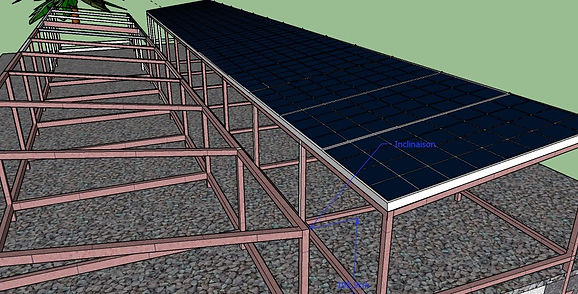
With the collaboration of Energ y Assistance , MMS has already electrified 5 health centers.
Electrification was not limited to health centers: an extension of the initial project aims to provide a sustainable electricity supply to homes surrounding the maternity ward . In collaboration with Rotary International, this project is currently underway thanks to a substantial contribution from the Lokumo fund. This shared approach allows for the installation of at least one light fixture and two outlets per house; additionally, it prevents villagers from connecting to the maternity ward itself and draining the batteries, which are essential for the operating room and cesarean section suite.


"This electrification has a direct impact on the beneficiaries."
62,282 residents can now benefit from lighting in these health centers:
21,330 inhabitants
The Bulegeyi Health Center
14,791 inhabitants
The Kintama center
19,104 inhabitants
The Nyakalengwa center
14,833 inhabitants
Le centre Shayo
A plan for the upkeep and maintenance of the facilities is planned, as well as the training of technicians through volunteers from Energy Assistance.
This substantial improvement has repercussions on the hygiene and sanitation of health centers, and provides better prevention of childbirth-related illnesses, which has a positive effect on the health of mothers and their babies.